


Every trade has two outcomes you can decide before it begins: how much you can lose and how much you can gain. Stop-loss and take-profit orders turn that into a plan, converting your exits into controlled, repeatable actions instead of reactive choices made under pressure. The best stop-loss strategy isn't a fixed percentage; it fits price structure, volatility, and your timeframe.
The sections ahead cover the purpose of stop-loss and take-profit orders, practical methods for setting them, their role across different trading styles, and the mistakes traders should avoid.
What Are Stop-Loss and Take-Profit Orders?
A stop-loss order tells your broker to automatically sell a security when it hits a predefined price, typically below the entry price for long positions and above the entry price for short positions. Once triggered, it converts to a market order. Its purpose is to cap the maximum loss on a position, or to lock in partial profits if you trail it as price moves in your favour.
A take-profit order closes a position once price reaches a set profit target, usually as a limit or conditional order. In practice, you place the take-profit alongside the stop-loss at entry, so both exits, upside target and downside limit, are automated from the start. That combined setup removes the need to watch screens constantly and forces a structured approach to every trade.
Why Proper Stop-Loss and Take-Profit Levels Matter
Capital Protection and Risk Control
Stop-losses cap your per-trade loss at a predefined amount, preventing a single bad trade from doing disproportionate damage. Sound risk management pairs stop placement with position sizing so that each trade risks only 0.5-2% of total equity. At those levels, even a streak of consecutive losses cannot wipe out the account.
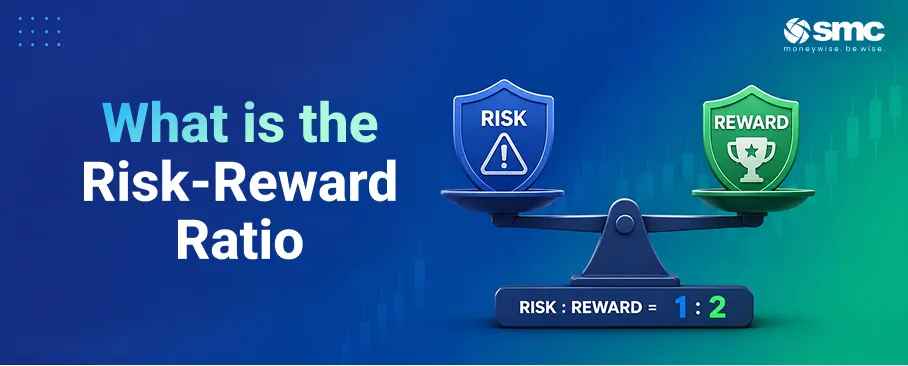
Take-profit orders complement this by crystallising gains before a reversal reverses them. Together, stop-loss and take-profit create a defined risk-reward profile per trade, risking one unit to capture two or three. That structure underpins positive expectancy even at moderate win rates, because your average win exceeds your average loss by design.
Eliminating Emotional Decision-Making
Both orders are pre-programmed, which removes the need to decide on exits under real-time stress. Without predefined exits, traders tend to hold losers too long, hoping for a recovery, and cut winners too early, fearing a reversal. Structured exit rules create repeatability and reduce the emotional swings that erode long-term performance.
Improving Long-Term Consistency
A consistent stop-loss and take-profit framework makes your results statistically more stable, because risk per trade and expected payoff are controlled rather than random. A common guideline is a risk-reward ratio in which the potential reward is at least 2-3× the risk, a profile that remains profitable even with a win rate below 50% if applied consistently.
Aligning stop distances with volatility (using ATR-based methods, for instance) further reduces "noise" stop-outs and improves the reliability of a backtested strategy. Over time, this produces steadier equity curves and makes drawdown periods easier to sit through.
How to Set Stop-Loss Correctly
Using Support and Resistance Levels
Support and resistance mark areas where price has historically reversed or stalled, which makes them logical anchors for stop placement.
- For long trades, put the stop below the nearest meaningful support or recent swing low.
- For short trades, above key resistance.
A break of support or resistance often signals that your original thesis is invalid, exactly when you should exit. To avoid premature stop-outs from normal wicks and liquidity hunts, place the stop several points beyond the level rather than right on it.
Percentage-Based Stop-Loss Method
- A percentage-based stop-loss sets a fixed percentage distance from entry, commonly 1-2% for short-term equity trades and 5-10% for longer-term swing or positional positions.
- This ties directly into your stop-loss calculation and position sizing: if you risk 1% of the account and set a 2% price stop, the position is sized so that a 2% adverse move equals exactly 1% of capital lost.
- The weakness of pure percentage stops is that they ignore market structure. A 2% stop may be too tight in a volatile stock and too wide in a low-volatility name.
- Many traders therefore combine a percentage cap with technical context, using the percentage as an outer boundary but placing the actual stop at a structurally meaningful level within that range.
Volatility-Based Stop-Loss (ATR Method)
The Average True Range (ATR) measures a security's typical price movement over a given period. Volatility-based stops use ATR to size the stop distance so it reflects actual market noise:
- Long position: Stop = Entry Price − (ATR × Multiplier)
- Short position: Stop = Entry Price + (ATR × Multiplier)
A common guide is 1.5-2× ATR for shorter-term trades and 3-4× ATR for longer-term trend following.
The result: in calm markets, stops sit closer to entry; in volatile conditions, they widen automatically. Some platforms offer volatility-stop indicators that draw dynamic stop levels on the chart, updating as ATR changes and trailing in the direction of the trend.
How to Set Take-Profit Targets
Risk-Reward Ratio-Based Targets
- The risk-reward ratio compares potential profit to potential loss. Risking 100 to make 200 is a 1:2 ratio.
- 1:2 to 1:3 is the commonly recommended minimum, because these ratios let you lose more often than you win and still come out ahead.
- The calculation is simple: define the stop-loss distance in points, multiply by your desired reward multiple, and project from entry. If the stop is 50 points below entry and you want 1:3, the take-profit goes 150 points above entry.
Using Resistance, Fibonacci, and Price Structure
Rather than arbitrary point targets, many traders align take-profit with technical structure such as prior resistance levels, swing highs, or measured-move projections. For long trades, previous supply zones and round numbers are common target areas; for shorts, prior support zones and price floors.
Fibonacci retracement and extension levels (23.6%, 38.2%, 50%, 61.8%) are widely used as confluence zones for profit-taking, particularly in swing and pullback strategies. The strongest approach combines structural levels with a minimum reward requirement, only entering trades when the next major resistance is at least 2R from entry.
Scaling Out vs Single Take-Profit Exits
Scaling out means closing part of a position at interim targets while letting the rest run under a tightened or trailing stop. A common plan is to take 50% off at the first target and trail the stop on the remaining half.
The trade-off is real. Scaling out locks in gains earlier and eases psychological pressure, but it also caps your maximum profit compared with an all-in/all-out approach. Practitioner backtests suggest early partial exits can reduce long-term expectancy if they cut off large winners too aggressively. How well scaling works depends on how you structure the levels and position fractions within your overall strategy.
Stop-Loss and Take-Profit by Trading Style
Intraday Trading Setups
- Day traders operate within a single session, with holding times of minutes to hours.
- Stops are tighter in absolute terms but must still respect intraday volatility. Recent session highs/lows, VWAP levels, or short-period ATR are common reference points.
- Reward targets tend toward 1:1.5 or 1:2, since intraday moves are smaller and transaction costs take a proportionally larger bite.
- Discipline around hard stops matters more here than in any other style, because leverage and rapid swings can turn small errors into large losses within minutes.
Positional Trading Setups
- Positional traders hold for weeks to months, focusing on macro trends and long-term technical structure.
- Stops sit below major weekly or monthly support (for longs) to avoid being shaken out by routine volatility.
- The wider stop distances target higher reward ratios and need less frequent adjustment. Positional setups can feel less stressful day-to-day, but they demand patience and tolerance for interim drawdowns within the larger trend. Active margin monitoring is essential when leverage is involved.
Swing Trading Setups
- Swing traders hold for several days to a few weeks, targeting intermediate swings within a broader trend.
- Stops are wider than intraday setups to accommodate overnight gaps and multi-day pullbacks, typically anchored to daily or 4-hour support and resistance.
- Reward expectations are higher, 1:2 or better, because holding through multiple sessions must justify the extra overnight and gap risk.
- Swing traders frequently move stops to breakeven after the first leg and use partial profits or trailing techniques for the remainder of the move.
Common Mistakes Traders Make
Stops placed too tight
Stops set too close to entry, without accounting for volatility or structure, lead to frequent noise stop-outs, trades that exit just before moving in the intended direction. They also push traders to increase position size to compensate, amplifying overall risk.
Stops placed too wide
Excessively wide stops lead to large losses when trades fail, weakening the risk-reward profile. This usually comes from setting stop distance based on comfort rather than actual price behaviour.
Moving stops emotionally
Shifting a stop further away when a trade goes against you turns a planned loss into an open-ended one. On the upside, refusing to trail stops, or widening them, gives back gains. Adjustments should follow rules, not reactions.
Ignoring volatility and structure
Using fixed-point or percentage stops across all conditions leads to poor placement. Stops should align with support/resistance, swing levels, or volatility measures like ATR to avoid predictable stop-outs.
Advanced Techniques Used by Professional Traders
Trailing Stop-Loss Strategies
- A trailing stop moves with price in the profitable direction by a fixed amount or percentage, triggering only if price reverses beyond that threshold. The goal is to lock in progressively larger profits while keeping the trade open as long as the trend continues.
- Common approaches include fixed-percentage trails (2-10% below the current price) and ATR-based trails (1.5-2× ATR for shorter timeframes, 2.5-4× for longer timeframes).
- Some systems trail stops using moving averages or recent swing lows/highs, exiting when price closes beyond the chosen reference rather than at a fixed distance.
Adjusting Stops After Breakout or Trend Confirmation
After a confirmed breakout, traders frequently re-anchor stops to new structural levels. A long position that breaks above resistance, for example, might see its stop moved from below the original base to just under the breakout level or the most recent swing low, converting the original risk into a smaller one, or, once the stop reaches entry, a position with no remaining capital at risk.
In ATR-based systems, stop levels adjust as price and volatility change, creating a trailing exit that follows a fixed multiple of ATR below the highest price in an uptrend. The key principle: stop adjustments follow predefined rules within the original plan and never increase the risk on the trade.
Partial Profit-Booking Techniques
- Advanced traders often combine partial exits with trailing stops, taking a portion off at the first target, then trailing the remainder under higher lows (for longs) or over lower highs (for shorts).
- The key is structure: predefined position fractions and exit levels, not ad hoc decisions under pressure.
- A moderate scaling plan, one or two partial exits at logical structural levels, tends to balance realised profit against upside potential better than either aggressive early exits or a rigid all-or-nothing approach.
Investments in securities markets are subject to market risks. Read all the related documents carefully before investing.
Conclusion
Setting stop-loss and take-profit correctly is what separates controlled trading from guessing. The best stop-loss strategy anchors your exits to price structure and volatility, sizes each trade so the risk stays within a small percentage of capital, and adjusts only by rule, never by emotion. Do that consistently, and your trading exits stop being a source of stress and become an edge.
Open a free Demat account with SMC and use its charts and technical tools to define your stop-loss and take-profit levels before entering every trade.






 1800 11 0909
 smc.care@smctradeonline.com