


Fintech unicorn Razorpay has moved a step closer to its stock market debut after reportedly receiving approval from the Securities and Exchange Board of India (SEBI) for its proposed IPO.
The Bengaluru-based company is reportedly looking to raise ₹5,000–6,000 crore through the public issue at a targeted valuation of around $5 billion. It is aiming to list on Indian stock exchanges between January and March 2027, subject to market conditions and other requirements.
Founded in 2014, Razorpay has grown from an online payment gateway into a broader financial technology platform offering payment processing, business banking, lending and other financial solutions.
In this article, we will look at the latest Razorpay IPO details, its business model, financial performance, expected valuation, strengths and risks, and what investors should know before the issue opens.
Razorpay IPO: Key Details
Razorpay submitted its draft papers through SEBI’s confidential route in June 2026. The Razorpay IPO details will be announced once it submits its final offer documents.
Razorpay IPO Timeline
Razorpay formally initiated its plan to launch an IPO and list on stock exchanges in 2025. Here’s a look at the key developments:
- 2025: Razorpay moved its parent company's domicile from the US to India through a reverse flip and converted into a public limited company.
- May 2026: Received shareholders' approval for a fresh issue of up to ₹2,700 crore.
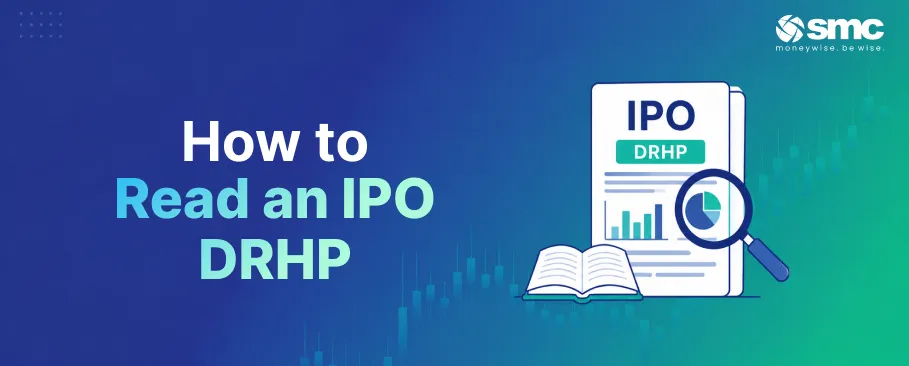
- 12 June 2026: The company confidentially pre-filed its draft red herring prospectus (DRHP) with SEBI.
- November 2026: Razorpay received SEBI's approval for launching an IPO. Approval is valid for the next 18 months.
- Next steps: The company is expected to make its updated DRHP public, followed by the announcement of the price band and IPO dates.
The confidential filing route allows companies to receive regulatory feedback while keeping detailed financial and issue-related information private until a later stage.
Business Overview of Razorpay
Razorpay was founded in 2014 by Harshil Mathur and Shashank Kumar as an online payment gateway. Razorpay began as an online payment gateway, allowing merchants to accept payments via cards, UPI, net banking, and wallets. It is backed by investors including Tiger Global, Y Combinator and Peak XV. It has grown over the years into a bigger financial platform for businesses
Its offerings now span multiple segments:
- Payment Gateway: Allows businesses to accept online payments through multiple modes, including cards, UPI, net banking and wallets. It remains a core part of Razorpay's business.
- RazorpayX: Provides business banking solutions such as vendor payments, payouts, and other financial management services.
- Lending: Provides credit and working capital solutions to merchants.
- Point-of-sale (POS): Offers payment terminals for businesses that accept payments online and offline.
- International payments: Facilitates cross-border collections and multi-currency transactions, and also offers services through its GIFT City operations.
- AI-led solutions: Its Agentic Experience Platform aims to automate merchant operations and streamline business processes.
Razorpay has raised around $742 million from investors, including Peak XV, Tiger Global, Lightspeed, Salesforce Ventures and Moore Strategic Ventures. Its last major priced funding round in 2021 valued the company at $7.5 billion.
Razorpay Financial Performance
Razorpay’s revenues have grown at a healthy pace, but its losses remain a key concern before the planned listing.
For FY25, its consolidated operating revenue rose 65% to ₹3,783 crore from ₹2,296 crore in FY24, the report said. FY25: gross profit grew 41% to ₹1,277 crore from ₹906 crore, indicating that revenue growth has not been converted into a proportional increase in gross profit.
Despite the growth, Razorpay reported a net loss of around ₹1,209 crore in FY25, in part due to ESOP expenses and one-off costs related to its restructuring and reverse flip to India.
The updated DRHP should provide greater clarity on its operating expenses, cash flows, adjusted profitability, and the extent to which exceptional costs affected its FY25 performance.
Razorpay IPO: Strengths and Risks
Key strengths
- Strong revenue growth: Revenue was up 65% in FY25. This indicates sustained demand for its payment and financial services.
- Expanding business portfolio: Razorpay has moved beyond payment gateways to business banking, lending, POS, and cross-border payments.
- Strong market presence: The company has a large network of merchants and a strong base of investors, which positions it well for expansion.
- India-domiciled parent: The reverse flip has addressed a key structural requirement ahead of the proposed domestic listing.
Key Risks
- Continued losses: The FY25 net loss of about ₹1,209 crore raises questions on the timeline to turn profitable.
- Pricing pressure: Competition in payment processing could squeeze margins and make it tough to improve unit economics.
- Execution challenges: Expanding into lending, POS, and other financial services brings additional operational and competitive challenges.
Razorpay IPO Valuation: How Does It Compare With Pine Labs?
Razorpay’s proposed IPO valuation of about $5 billion is a deep discount to its last private funding round. The company raised $375 million in December 2021, valuing it at $7.5 billion. The valuation at the proposed IPO is some 33% below that peak. However, a reduced valuation compared to the previous funding round is not automatically an attractive prospect for an IPO.
Another perspective is a comparison with the listed peer, Pine Labs. Pine Labs is priced at a market cap of around ₹18,200 crore, which is about 6.7 times its FY26 sales. The company reported a net profit of ₹113 crore in FY26, translating to a price-to-earnings multiple of around 162 times.
At the proposed $5 billion valuation, Razorpay would be valued at approximately ₹45,000 crore, or nearly 11.9 times its FY25 revenue of ₹3,783 crore. Unlike Pine Labs, however, Razorpay reported a net loss of around ₹1,209 crore during the year.
However, a more meaningful valuation assessment will be possible once the company announces its IPO price band and discloses its detailed financials in the updated DRHP and final offer documents.
How to Apply for the Razorpay IPO
The Razorpay IPO is not open for subscription yet. Once the Razorpay IPO dates are announced, investors can apply through the SMC ACE app or website, as well as other registered broker platforms. Applications can be submitted through the ASBA facility using net banking or the UPI facility.
You can follow the SMC Global Instagram and YouTube channels for the latest Razorpay news.
Razorpay IPO GMP
There is currently no confirmed Razorpay IPO grey market premium (GMP), as the issue has not opened for subscription.
Even when grey market activity picks up closer to the listing, investors should not use GMP as a basis for deciding whether to apply. It is an unofficial market indicator, is not regulated by the stock exchanges, and can change sharply depending on market sentiment.
The company's financial performance, valuation, competitive position, and business prospects offer a more reliable basis for evaluating the IPO.




 1800 11 0909
 smc.care@smctradeonline.com