



Investing in Initial Public Offerings (IPOs) offers an opportunity to participate in a company’s growth from the very beginning. While the potential for returns is appealing, it is equally important to understand the IPO listing process and timeline. Knowing when and how an IPO gets listed on the stock exchange can help investors prepare for the first day of trading.
In this blog, we’ll explain IPO listing time, the IPO listing process, listing prices, SME IPO listing schedules and the overall listing timeline.
What is IPO Listing Time?
The IPO listing time refers to the specific schedule on which a company’s shares become available for trading on stock exchanges such as the NSE and BSE. On the listing day, an IPO goes through a Special Pre-Open Session (SPOS) before regular trading begins.
The session generally unfolds as follows:
- 9:00 AM–9:45 AM: Order entry, modification and cancellation. The session may close randomly during the final 10 minutes.
- 9:45 AM–9:55 AM: Order matching, trade confirmation and opening price determination.
- 9:55 AM–10:00 AM: Buffer period for transition to regular trading.
- 10:00 AM onwards: Regular trading begins.
The IPO Special Pre-Open Session is used for price discovery on the first day of trading. Understanding the IPO listing time is therefore important for investors who want to track the opening of a newly listed stock.
Importance of IPO Listing Time
The IPO listing time holds significant importance for various stakeholders:
Investors:
The IPO listing time represents the first opportunity for investors to buy or sell the company’s shares on the open market. If the IPO listing price is higher than the issue price, investors who received an allotment may see an immediate listing gain. Knowing the listing schedule allows investors to plan their trading decisions in advance, particularly during a highly dynamic first trading session.
Companies:
For the company going public, the listing moment marks a major milestone. It transitions from being a private entity to a publicly traded company. This can enhance the company’s market visibility and provide access to the public market. The stock’s initial trading performance may also influence how investors perceive the company.
Market Analysts:
Analysts and financial experts closely monitor the IPO listing, as it provides insights into market sentiment and investor demand for the company's shares. A strong response can indicate higher demand, while a muted listing may indicate caution or limited buying interest.
By staying informed about the IPO listing time, investors, companies and analysts can better understand the events surrounding a stock's first day of trading.
IPO Listing Process in India
The IPO listing process in India is a structured and regulated journey that takes a company from private ownership to public trading on a stock exchange.
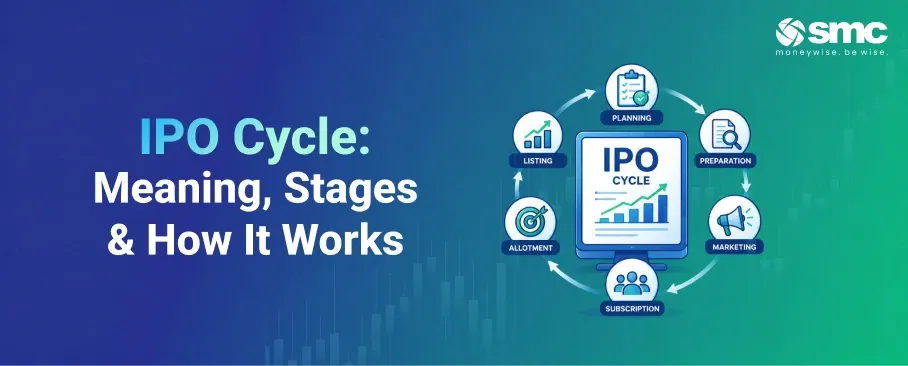
- Preparation: The company begins by appointing intermediaries such as investment bankers, legal advisors and auditors to prepare the offer documents, including the Draft Red Herring Prospectus (DRHP), where applicable.
- Regulatory and Exchange Review: The company follows the applicable SEBI and stock exchange requirements, including the review of the relevant offer documents and compliance with regulatory requirements.
- Marketing: Before and during the IPO, the company and its intermediaries may undertake investor communication, roadshows and other permitted marketing activities to generate investor interest.
- Bidding: During the IPO subscription window, investors place bids within the specified price band.
- Allotment: Shares are allotted to eligible applicants according to the applicable rules and allotment process.
- Listing: Finally, the company’s shares are listed on the stock exchange, and public trading begins following the applicable listing-day process.
Each step is important to ensure transparency, regulatory compliance and a smooth transition to public ownership.
IPO Listing Timeline
Understanding the IPO listing timeline is essential for investors planning their strategy around new listings. Under the current SEBI framework, public issues follow a T+3 working-day listing timeline, where T is the issue closing date.
Mainboard and SME IPOs: T+3 Days
Shares issued through public issues are generally required to be listed within three working days from the issue closing date, subject to the applicable regulatory and exchange processes.
The T+3 framework has reduced the time between an IPO closing and share listing. Activities during this period can include finalisation of the allotment basis, processing refunds, crediting shares to eligible investors, and listing on the stock exchange.
Investors should check the IPO’s offer documents and stock exchange announcements for the exact allotment, credit and listing dates, particularly when market holidays affect the calendar.
SME IPO Listing Time
SME IPOs are also subject to the applicable listing framework and Special Pre-Open Session on their first day of trading. Investors tracking an SME IPO should check the relevant stock exchange announcement for the confirmed listing date and trading schedule.
While SME IPOs have certain requirements that differ from mainboard issues, investors should not assume a separate T+6 listing timeline. The applicable issue-specific schedule should always be checked in the exchange announcements and offer documents.
IPO Listing Price and Initial Trading Session
When a company goes public through an IPO, one of the most anticipated events is its listing on the stock exchange. Among the key aspects to understand is the IPO listing price, the price at which the company's shares begin trading on the stock exchange.
This price is determined through a price-discovery process during the Special Pre-Open Session on the day of listing. The opening price reflects the orders placed by market participants and the resulting demand-supply balance. This is why the listing price may differ from the issue price.
There are several factors that can influence investor demand and the price at which shares trade after listing:
- Investor Demand: Demand for the shares can influence the price at which they begin trading. However, subscription levels alone do not determine the listing price.
- Market Conditions: General stock market sentiment, including global and domestic cues, can influence demand and trading activity on listing day.
- Company Fundamentals: The company's financial performance, business prospects and valuation can influence investor demand and the price at which the shares trade after listing.
Understanding these factors can help investors make more informed decisions about whether to hold or sell the stock after listing.
Navigating the Initial Trading Session
Once the stock is listed, the initial trading session can be quite unpredictable. This is the time when newly listed shares are first made available for regular trading, and it can be characterised by significant trading activity. Here are a few things investors should watch out for:
- Price Fluctuations: During the early hours of trading, share prices may swing widely as investors react to the opening price, market conditions and changing demand.
- High Trading Volumes: Newly listed stocks can attract significant trading activity as investors respond to the listing and price discovery.
- Price Movement: Newly listed shares can experience sharp price movements. Investors should check the applicable exchange rules before placing orders on listing day.
Understanding these conditions can help investors avoid impulsive decisions. Whether you plan to book profits or hold the stock for the long term, it is important to consider the company's fundamentals, valuation, market conditions and your own investment objectives.
Tracking IPO Listing Time
Staying informed about the IPO listing time is important for investors. Reliable sources include:
Official Prospectus (RHP)
The Red Herring Prospectus offers comprehensive details about the IPO, including information about the issue and proposed listing. Investors should also check the final exchange announcement for the confirmed listing schedule.
Stock Exchange Websites (NSE and BSE)
Both the National Stock Exchange and BSE regularly publish IPO-related information, listing schedules and official notifications.
Lead Managers and Brokers
Investment bankers, lead managers and registered brokers may provide updates and reminders about IPO listing dates and related timelines.
Financial News Portals
Reputed financial news websites such as Moneycontrol, Economic Times and Business Standard share IPO-related announcements, analysis and updates.
Company Announcements
Companies planning to go public may also share listing updates through press releases and investor communication.
Mobile Trading Apps
Many trading platforms and apps provide IPO-related updates and listing information to investors.
SEBI Website
Official regulatory information, circulars and updates are available on the SEBI website.
Regularly checking these sources can help investors stay informed about the IPO listing schedule and related developments.
Conclusion
Understanding IPO listing time, the listing process and price discovery can help investors navigate a company's first day on the stock exchange. However, listing gains are not guaranteed, and the share price may rise or fall after trading begins. Investors should check official exchange announcements for the confirmed listing schedule and consider their investment objectives before making trading decisions.



 1800 11 0909
 smc.care@smctradeonline.com